Summary on 2026 flooring outlook and key initiatives highlighted in Floor Covering Weekly (FCW). It covers industry‑wide economic expectations; major co‑op programs such as CCA Global’s Retail 2.0, digital‑marketing advances; and product‑category trends (hardwood, laminate, tile, resilient flooring).
2026 Flooring Industry Outlook
- Economic backdrop:
- Tariffs, interest‑rate volatility, and housing affordability remain concerns, but most executives express cautious optimism that conditions will stabilize in the second half of the year.
- CEOs of Shaw, CALI, and other manufacturers note modest demand recovery, tighter inventories, and leaner supply chains as a “more disciplined” operating environment.
- Key drivers:
- Remodel activity is expected to lift demand, especially for premium, design‑forward products.
- Interest‑rate cuts (projected to fall into the low‑6 % range) and a “Great Housing Reset” could gradually improve affordability.
- Strategic focus: Companies are prioritizing execution, readiness, and partnership—investing in manufacturing flexibility, product innovation, and targeted marketing to capitalize on any market upswing.
Flooring Trends for 2026
Vinyl & SPC Flooring Trends
- Market pressures: Tariffs, inflation, and higher raw‑material costs still linger, but manufacturers are sharpening execution to offset headwinds .
- Investment focus: Companies such as Shaw and AHF are expanding U.S. manufacturing capacity, improving supply‑chain agility, and leveraging domestic sourcing to protect margins.
- Growth outlook: Most owners (e.g., Engineered Floors) anticipate a “slow period” that should improve in the second half of the year, with resilient’s value proposition staying strong.
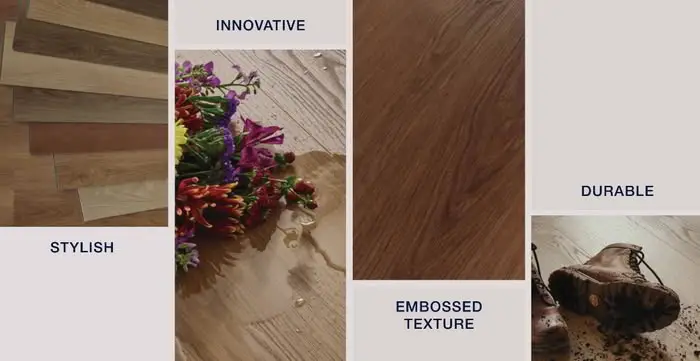
- Design‑forward releases: Major flooring brands such as Mannington, Shaw, and COREtec are launching new collections featuring premium finishes, waterproof cores, and enhanced scratch resistance. Innovation continues to focus on durability as well as new aesthetics which provide customers with improve flooring product lines.
- Product highlights: ENGINEERED FLOORS’ PureGrain Digital LVT (DLVT) continues to draw interest for its realistic wood look and waterproof performance.
- Strategic Direction: Some Brands are emphasising visual authenticity and sustainability (e.g., PVC‑free materials) to meet consumer expectations for both durability and eco‑friendliness.
Rigid Core SPC Product Highlights
- Mohawk’s Resilient Revolution: Emphasises PureTech and SolidTech® technologies, Rigid Core flooring made Made in the USA, and sound‑absorbing Liteback® for quieter installations.
- Välinge patents: 2G PRO™, 5G‑i PRO™, 5G PRO™ and Liteback® technologies improve vertical connection strength and acoustic performance.
- AHF Products: Highlights price, productivity, and cash‑flow pillars; introduces antimicrobial Roberts adhesives (Microban®) and expands domestic production in Georgia.
- Position resilient flooring as waterproof, pet‑friendly, and design‑rich to justify premium pricing and capture remodel spend.
- Looselay LVT: New entrants (IFC’s Canopy Flex, CALI’s Hang Loose, Tarkett’s FlexGen) focus on quick installation and enhanced acoustics, offering thicker wear layers and better performance than legacy products

Consumers in general position resilient floorings as a waterproof, pet‑friendly, and design‑rich product that offers budget‑friendly flooring options. With such emphasise, vinyl floorings will continue to have strong market demands when compared to the more expensive flooring options such as hardwood and tiles.
Hardwood Flooring Trends
- Forecasted flat‑to‑modest growth (1‑2 % rise) as a premium option for higher‑end residential and custom homes.
- Tariff uncertainty and high interest rates remain headwinds; manufacturers stress storytelling around authenticity, durability, and sustainability.
Laminate Flooring Trends
- Market stabilizing around quality‑focused premium laminate; low‑end products continue to lose share to vinyl.
- Growth is driven by affordability and durability, with emphasis on waterproof cores, better scratch resistance, and realistic wood visuals.
- The laminate segment is stabilising around premium products that combine cost‑effectiveness with improved durability; manufacturers stress better storytelling to overcome the “low‑quality” perception
Strategic advice
Focus on premium positioning, clear storytelling, and differentiation from low‑cost competitors.
Tile Flooring Trends
- Challenges: Slower housing starts, builder market softness, and tariff uncertainty keep volume low.
- Opportunities: Tile’s durability, longevity, and sustainability appeal to remodelers; commercial and institutional projects are expected to drive a single‑digit growth rebound.
- Consumer expectations: Stronger emphasis on sourcing transparency, eco‑credentials, and design flexibility (e.g., grout color innovation, large‑format tiles).
This page has reviewed some of the strategic directions, product trends, and product tactics that are shaping the flooring industry outlook in 2026.
Retail 2.0 & CCA Initiatives
- Retail 2.0 system:
- Implemented in ~900 member stores, it streamlines the sales process, accelerates decision‑making, and boosts ticket size.
- Tile integration (2026): Pilot stores in Denver will test a dedicated tile “spoke” while preserving the flexible, hub‑and‑spoke model for other product lines.
- Floor Trader model: A cash‑and‑carry warehouse concept that lets members share inventory across Carpet One, Flooring America, and Flooring Canada, improving margins and inventory efficiency.
- Diversification push: CCA promotes expanding into kitchen & bath, commercial, and multifamily segments to reduce reliance on any single market.
Digital Marketing & AMP
- Advanced Marketing Programs (AMP): A unified suite (AMP Reach, Connect, Accelerate, Promote, Create) that consolidates website, CRM, email, text, AI chatbot, and creative services under one platform.
- Key benefits:
- Local organic advertising without additional spend (AMP Reach).
- Simplified CRM and marketing automation (AMP Connect) for members lacking internal resources.
- AI‑driven content generation and analytics reporting slated for the 2026 convention.
- Member impact: Faster lead response, improved data visibility, and a “do‑it‑for‑you” approach that lets retailers focus on sales rather than tech management.